Educational content only. Not medical, psychological, or health services. Auckland, New Zealand.
Educational Guide

Master the art of evening transition

Comprehensive guide to designing and implementing effective wind-down routines that help your body shift from work mode to genuine rest.

Why Evening Routines Matter

Your evening sets the stage for your entire night. After a full day of work, your nervous system remains in an activated state. Without deliberate transition, you carry work tension into rest time, which affects sleep quality and next-day recovery.

An evidence-informed evening wind-down is not indulgence—it is a practical investment in daily functioning, sustained focus, and emotional resilience.

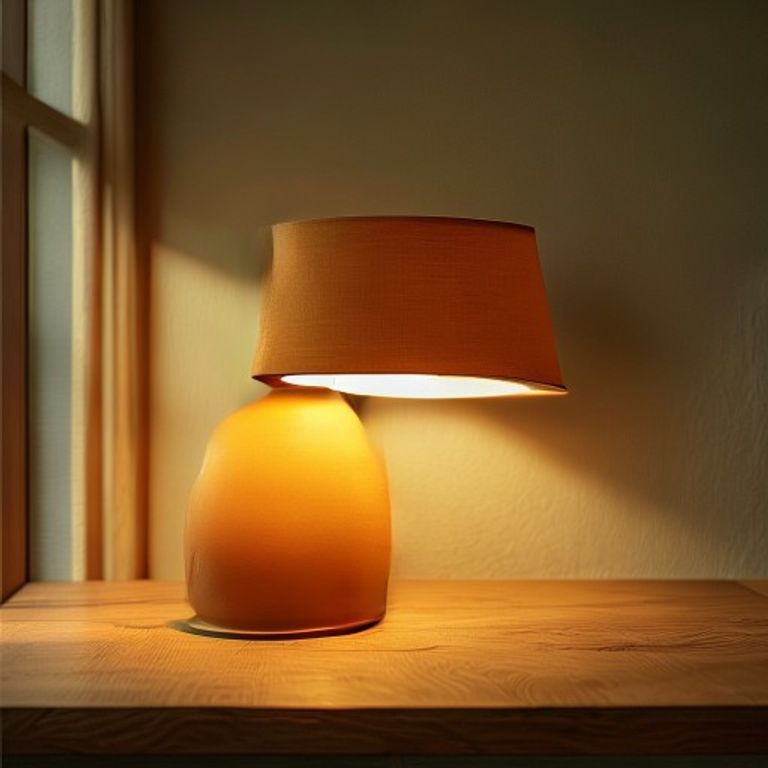
Soft warm lamp on evening table with candle and journal

Three Proven Evening Structures

Gentle Unwind (20–30 min)

Best for: High-stress workdays, sensitive nervous system, limited time.

  • 6:45 PM—Digital sunset: Put away all work devices. Dim overhead lights.
  • 7:00 PM—Herbal tea ritual: Prepare chamomile or passionflower tea mindfully (no screens).
  • 7:15 PM—Breathing practice: 5–7 minutes of slow, deep breathing or body scan.
  • 7:30 PM—Light reading or journaling: Reflect on the day or read something non-work related.
  • 8:00 PM—Gentle stretching: 10 minutes of yin or restorative poses.

This structure prioritises nervous system downregulation through simplicity and sensory comfort.

Active Release (30–45 min)

Best for: Physically tense individuals, high-energy people, those with unresolved daily frustration.

  • 6:30 PM—Movement flush: 15–20 minutes of brisk walking, dancing, or dynamic stretching to discharge tension.
  • 7:00 PM—Cold-water exposure: Cool shower or face splash to reset nervous system (optional).
  • 7:15 PM—Transition space: Move to relaxation area. Change into comfort clothing.
  • 7:30 PM—Restorative practice: Slow yoga, meditation, or gentle self-massage.
  • 8:15 PM—Grounding ritual: Tea, soft music, journaling, or quiet time outdoors.

This structure discharges physical and mental activation, then transitions into rest.

Ritual-Based (45–60 min)

Best for: Those who thrive on structure, families or partners, commitment to consistency.

  • 6:00 PM—Work closeout: Formal ending-of-day process. Review tomorrow's priorities. Physical separation (close workspace door).
  • 6:20 PM—Transition ritual: Change clothes, take a shower, perform consistent sensory action (music, incense, specific candle).
  • 6:45 PM—Shared or solo time: Family dinner, conversation with partner, solo meal with intention.
  • 7:30 PM—Practice time: Dedicated 20–30 minute practice (meditation, breathwork, creative hobby).
  • 8:15 PM—Pre-sleep preparation: Bedroom setup (temperature, light, sounds), final routine (hygiene, reflection).

This structure emphasises predictability and symbolic markers that signal transition to your nervous system.

Environmental Factors That Support Wind-Down

Key Environmental Elements

Light: Reduce blue light 60–90 minutes before bed. Use warm amber (2700K–3000K) lighting. Dim overhead lights early.

Temperature: Cool environments (16–18°C) support quality sleep. Open windows or use fans to refresh air.

Sound: Soft background audio (nature sounds, lo-fi, ambient music) masks disruptive noise and signals relaxation.

Aroma: Optional but powerful. Lavender, chamomile, or sandalwood can support relaxation (through fragrance or plants).

Common Obstacles & Practical Solutions

Consistency matters more than timing. If your finish time varies, pick a "time since finishing work" target (e.g., always spend 90 minutes winding down after work ends). The ritual markers (change clothes, specific tea, breathing practice) matter more than the clock time.

Involve them. Family or household members can be part of the routine (shared dinner, quiet evening hours, agreed bedtimes). Communicate your goals. Sometimes a household wind-down (no screens after 8 PM, quiet activities) benefits everyone.

Start very small. A 5-minute practice is better than none. Resistance often drops once you begin. Make the first step so easy that resistance is minimal (put on comfortable clothes, pour tea). The hardest part is starting; momentum builds quickly.

Relaxation is a skill that takes practice. Most people need 2–4 weeks of consistent practice before significant changes emerge. You might also need to adjust the content of your routine (different practices, longer duration, different environment). Consult a practitioner to refine your approach.

Ready to design your wind-down?

Our consultants can work with your schedule and preferences to create a realistic evening routine that fits your life.

Book a Consultation